
The New-Age Curriculum of the Best Boarding School in India
- Introduction
- What Does a New-Age Curriculum Actually Mean?
- When Sports Becomes Part of Learning
- Creativity Has a Place in the Curriculum
- From Learning About Technology to Building With It
- Learning Through Questions, Projects and Reflection
- The Student Has a Role in Assessing Their Own Learning
- What This Looks Like in a Boarding School
- What Should Parents Look for in a Modern Boarding Curriculum?
- Why This Matters When Choosing Among Top Boarding Schools in India
- Choosing the Right School for Your Child
- FAQ's
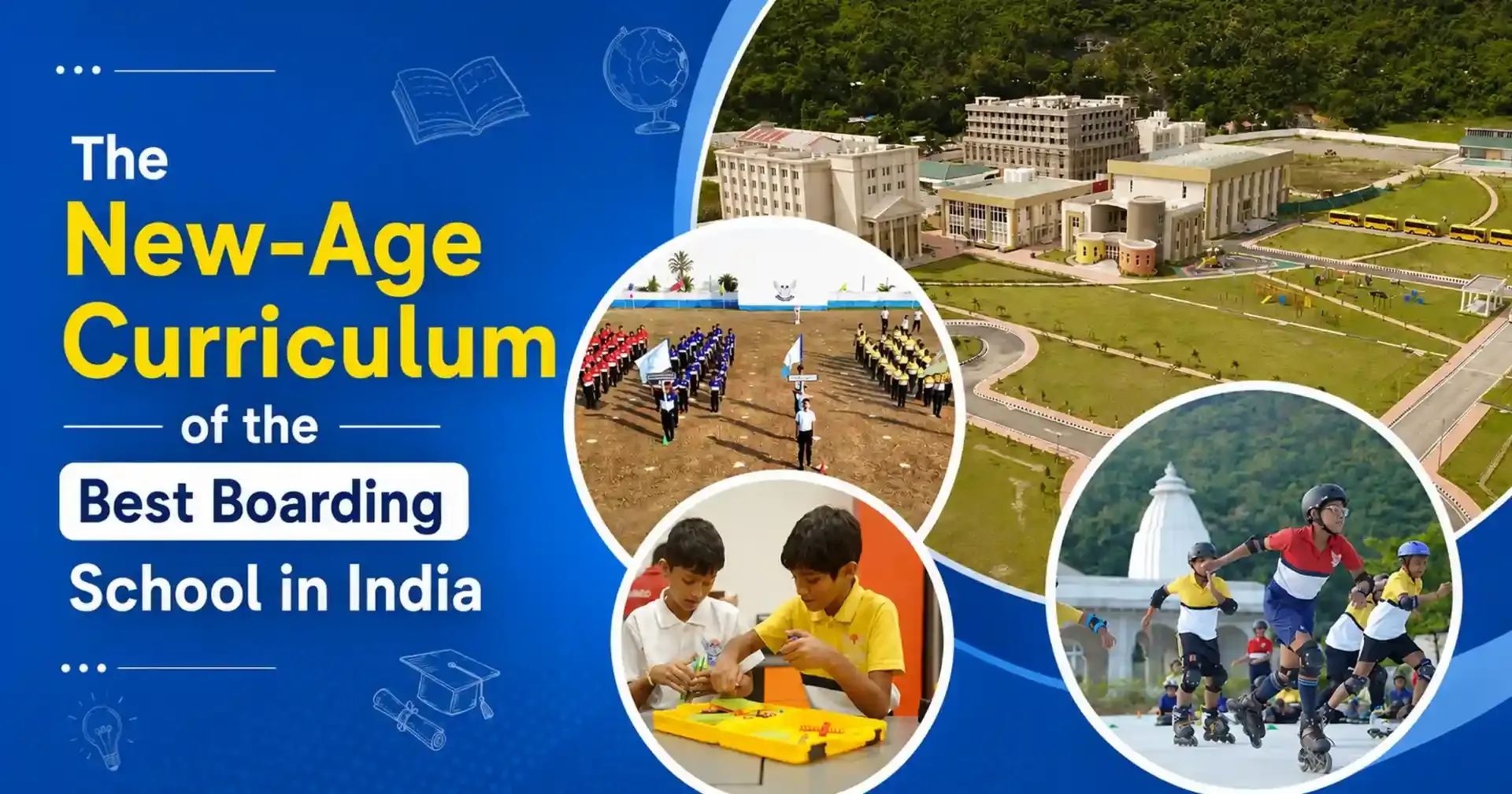
For a long time, school curriculum was largely understood in terms of subjects, textbooks and examinations. A student learnt the prescribed lessons, appeared for tests and moved on to the next class. That model still has its place, but education today asks for more than the ability to remember and reproduce information.
A new-age curriculum looks at what students can do with what they learn. Can they investigate a problem, work with others, express an idea creatively, use technology to build something, stay physically active and reflect on their own progress? These abilities are increasingly being brought into everyday school life rather than being treated as separate from academics.
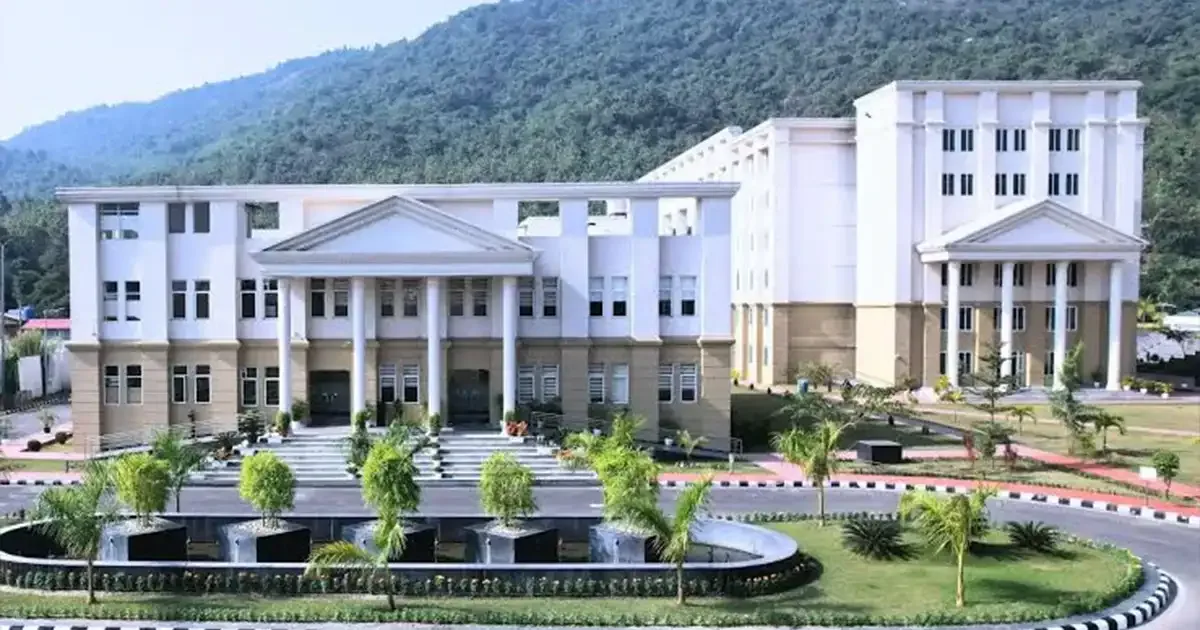
This shift is particularly interesting inBoarding Schools in India, where education extends beyond the classroom. AtVandya International Schoolin Guwahati, academic learning is combined with project and inquiry-based work, broader forms of assessment, sports, performing arts, technology and opportunities for students to take greater responsibility for their learning. Looking at these practices offers a useful way to understand what a modern curriculum can look like in a residential school.
What Does a New-Age Curriculum Actually Mean?
The idea of a modern curriculum goes beyond adding a few new subjects to the timetable. It changeshow students learn and how their progress is understood.
Vandya’s assessment system, for example, places greater emphasis on regular formative and competency-based assessment rather than relying primarily on rote memorisation. Its Feedforward Report considers students across cognitive, affective and psychomotor areas and includes elements such as self-assessment, peer assessment, project work, inquiry-based learning, quizzes, role plays, group work and portfolios.
This creates a broader picture of a student’s development. A child’s ability to analyse a problem, work with others, reflect on their own learning or apply an idea can matter alongside their performance in a written test.
Read Our Blog>> Best Boarding Schools in Assam: Fee, Admission & Campus Life
When Sports Becomes Part of Learning
In a conventional school timetable, sport can easily be treated as a break from academic work. A new-age curriculum takes a different view of physical development.
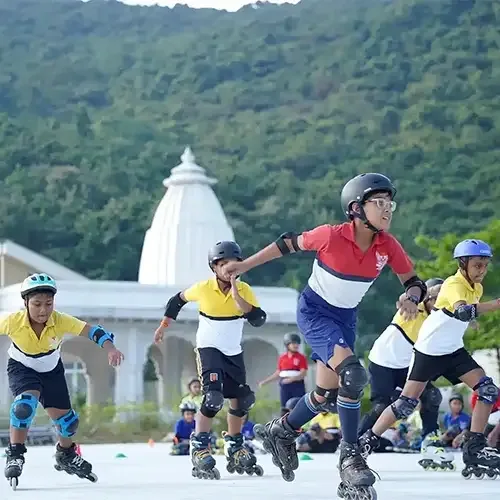
Vandya’s Physical Proficiency Test is a useful example. The school’s Sports Department has assessed students on parameters including sprinting, standing broad jump, push-ups, sit-ups, shuttle run and flexibility. A later edition of the school’s newsletter also records tests involving different sprint distances, jumps, endurance activities and ball skills.
The significance is not simply that students play sport. Their physical development is observed through specific activities, giving students another area in which they can understand their abilities and work on improvement.
That is closer to the idea of education as development of the whole child rather than education as preparation for examinations alone.
Creativity Has a Place in the Curriculum
The same thinking can be seen in Vandya’s ALANKARAN programme. It includes drama, dance, music, creative writing, sculpting, art, design and technology. More importantly, these areas are developed progressively as students move through different stages of school.
Younger pupils are introduced to music, instruments, dance and theatre. In middle school, students explore drama and music in greater depth. At the secondary level, drama students can study theatre history and work towards producing a play, while music students develop their understanding of performance and different musical systems. Senior secondary students can move towards greater specialisation in areas such as performance, directing, design, writing or production.
This is an important distinction. A modern curriculum does not necessarily mean offering more activities. It means giving students the opportunity tostay with an interest and develop it over time.
Call Us
+91-7099063809
Email Us
admissions@vandya.com
Book a Campus Tour
Book Now
Call Now Talk with us directly Registration Now Quick inquiry online Apply Now We'll reply shortly Apply Now We’ll reply shortly Get a Location School’s Road MapBook a Cumpus Tour
From Learning About Technology to Building With It
Technology also has a different role when students are expected to create rather than simply consume.
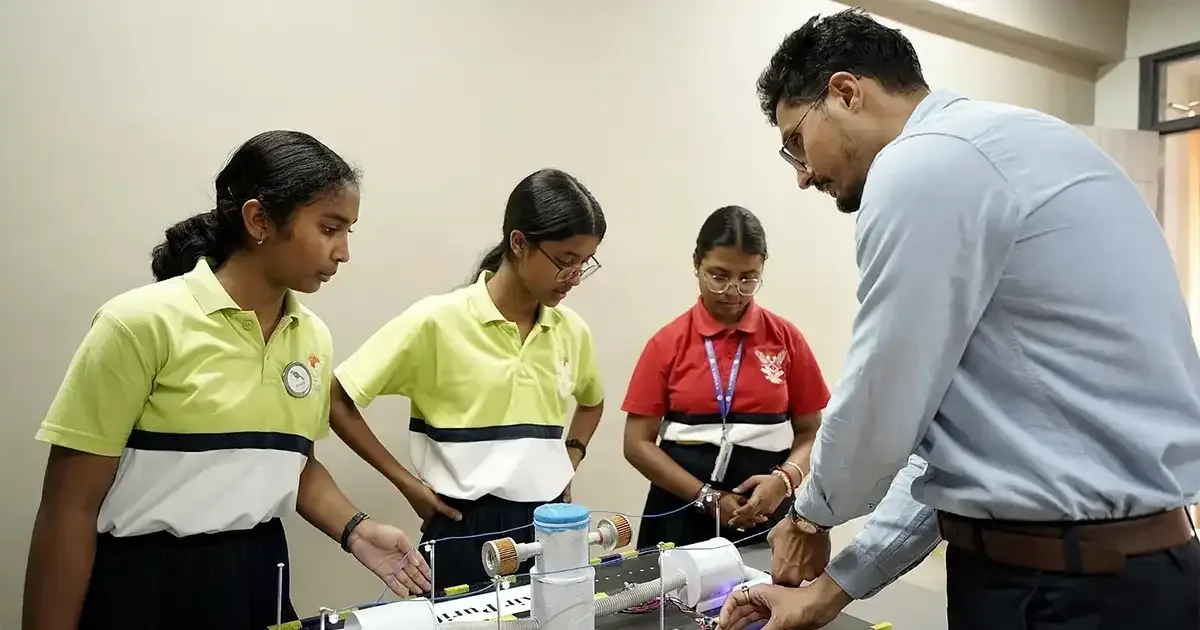
Vandya’s Robotics Club introduces students to sensors, programming and automation through project work. Students work collaboratively with coding and electronics, giving them the chance to test ideas and solve practical problems.
This kind of learning changes the classroom dynamic. Instead of receiving a finished answer, students have to work out why something works, identify what has gone wrong and try another approach.
The school’s academic activities also reflect an interest in technology’s wider role in education. A school newsletter records a session on the role of educational institutions in Industry 4.0, along with interactions involving technology organisations.
Read Our Blog>> Why Day Boarding Schools in Guwahati are the Future of Education
Learning Through Questions, Projects and Reflection
A new-age curriculum also gives students more opportunities to investigate a question rather than simply receive information.
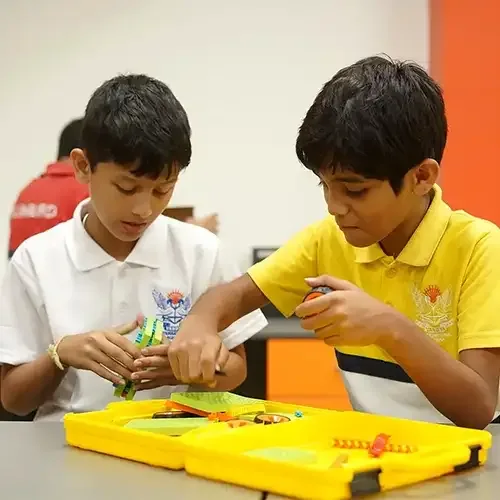
Vandya describes project-based and inquiry-based learning as part of its assessment approach. Its early-years programme similarly uses play-based, activity-based and inquiry-based learning, with children encouraged to explore, experiment, create and solve problems.
This approach can continue into later years through projects, practical work, group activities and presentations. The value lies in the process as much as the final answer: students have to think about what they know, decide how to use it and sometimes reconsider their approach.
The Student Has a Role in Assessing Their Own Learning
One of the more significant changes in modern education is the move away from seeing assessment as something donetostudents.
At Vandya, self-assessment and peer assessment form part of the broader Feedforward Report, alongside teacher assessment and evidence from projects, portfolios and other activities.
This gives students a chance to think about their own progress instead of waiting for a mark or grade to tell them how they performed. Over time, that can help them become more aware of what they understand, where they struggle and what they need to work on.
For a residential student who spends a large part of the year learning within the same community, that kind of self-awareness can be particularly valuable.
What This Looks Like in a Boarding School
Boarding adds another dimension to this approach because learning does not stop when the last academic period ends.
Sports practice, creative activities, project work, independent study and time spent with peers can all become part of a student’s development. Vandya’s boarding houses also have Housemasters, Assistant Masters, Dames and Tutors, with students receiving regular one-to-one guidance on personal and academic development.
This does not mean every hour needs to be structured. A good residential curriculum also needs to leave room for students to make choices, develop interests and gradually take responsibility for their routines.
What Should Parents Look for in a Modern Boarding Curriculum?
When comparingBoarding Schools in India, it is worth looking beyond the number of subjects and facilities advertised on a website. Parents can ask:
- How are students assessed apart from written examinations?
- Are projects, practical work and inquiry part of regular learning?
- Is physical education treated as an important part of student development?
- Do arts programmes allow students to progress beyond basic exposure?
- Can students build practical skills through robotics, technology or other projects?
- Are students encouraged to assess and reflect on their own progress?
- How much choice do they have as they grow older?
These questions can reveal much more about a school than a list of facilities.
Why This Matters When Choosing Among Top Boarding Schools in India
TheTop Boarding Schoolsare not necessarily defined by how many activities they can fit into a prospectus. What matters is how those activities connect with the larger educational experience.
A school may offer sport, music, robotics and art, but a new-age curriculum goes a step further. It gives these areas structure, encourages participation, measures progress in meaningful ways and allows students to apply what they learn.
For families comparing theBest Boarding Schools in India, this distinction is worth considering. The right school is not simply the one with the longest list of facilities. It is the one whose approach to learning matches the kind of learner a child is expected to become.
Choosing the Right School for Your Child
The meaning of a good education is changing. Academic knowledge remains important, but children also need opportunities to question, create, collaborate, solve problems, develop physical and artistic abilities, and understand their own progress.
That is where the idea of a new-age curriculum becomes meaningful. For families exploring aDay Boarding Schoolor a residentialBoarding School, looking closely at how learning actually happens can be more revealing than relying on rankings or a list of facilities.
Vandya International School in Amingaon, Guwahati brings together academic learning with assessment, sport, arts, technology and project-based experiences. Parents considering the school can contact its admissions team or arrange a campus visit to understand how its curriculum and boarding environment work in practice.
FAQ's
What makes a boarding school curriculum modern?
A modern curriculum generally places greater emphasis on application, critical thinking, practical learning, creativity, collaboration and student reflection alongside academic knowledge.
Are sports part of the curriculum at Vandya International School?
Vandya gives structured attention to physical development. Its Sports Department has conducted Physical Proficiency Tests covering activities such as sprinting, jumping, push-ups, sit-ups and flexibility.
Does Vandya offer arts as part of its academic programme?
Yes. Its ALANKARAN programme covers areas including drama, dance, music, creative writing, art, design and technology, with opportunities developing across different school stages.
Does Vandya offer robotics?
Yes. Its Robotics Club gives students hands-on exposure to sensors, programming, automation, coding and electronics through collaborative projects.
Is Vandya a day boarding school as well?
Vandya offers both residential and day-boarding options. Families can therefore consider the model that fits their child's educational needs and their own circumstances.
A: Top CBSE Schools in Assam focus on integrated learning, mentorship systems and co-curricular pathways alongside strong academic curricula, producing balanced learners.
A: Yes. Vandya International School provides a structured day boarding programme with supervised study time, balanced meals and activity rotations.
A: Many use portfolios, competency rubrics and formative assessment to track skills like communication, teamwork and problem-solving.
A: Check supervision standards, study-time structure, meal quality, safety measures and coordination with family pickup routines.
A: Yes. Schools that emphasise holistic development offer career guidance, project-based learning and soft skills training that strengthen college applications and readiness.
A: The school maintains counsellors, mentor groups, regular check-ins and restorative practices to support student mental health.
More from the blog
-
15 SEPT 2026
CBSE vs ICSE: A Detailed Comparison to Help You Decide
-
20 AUG 2026
Best International Schools in India: A Complete Education Guide
-
07 AUG 2026
Best Boarding Schools in Assam: Fee, Admission & Campus Life
-
22 JUL 2026
Understanding the CBSE Three Language Policy: A Guide for Parents and Students
-
13 JUL 2026
Why Teaching Methodology Matters in International Schools in India
-
19 JUN 2026
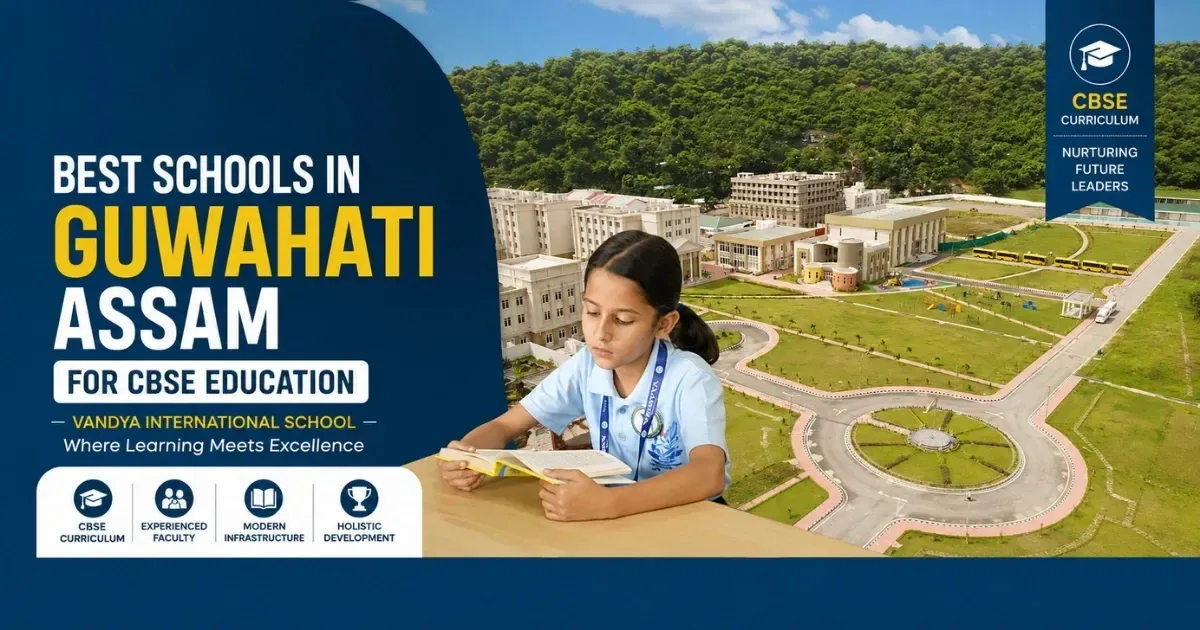
Best Schools in Guwahati Assam for CBSE Education - Vandya International School
-
10 JUN 2026
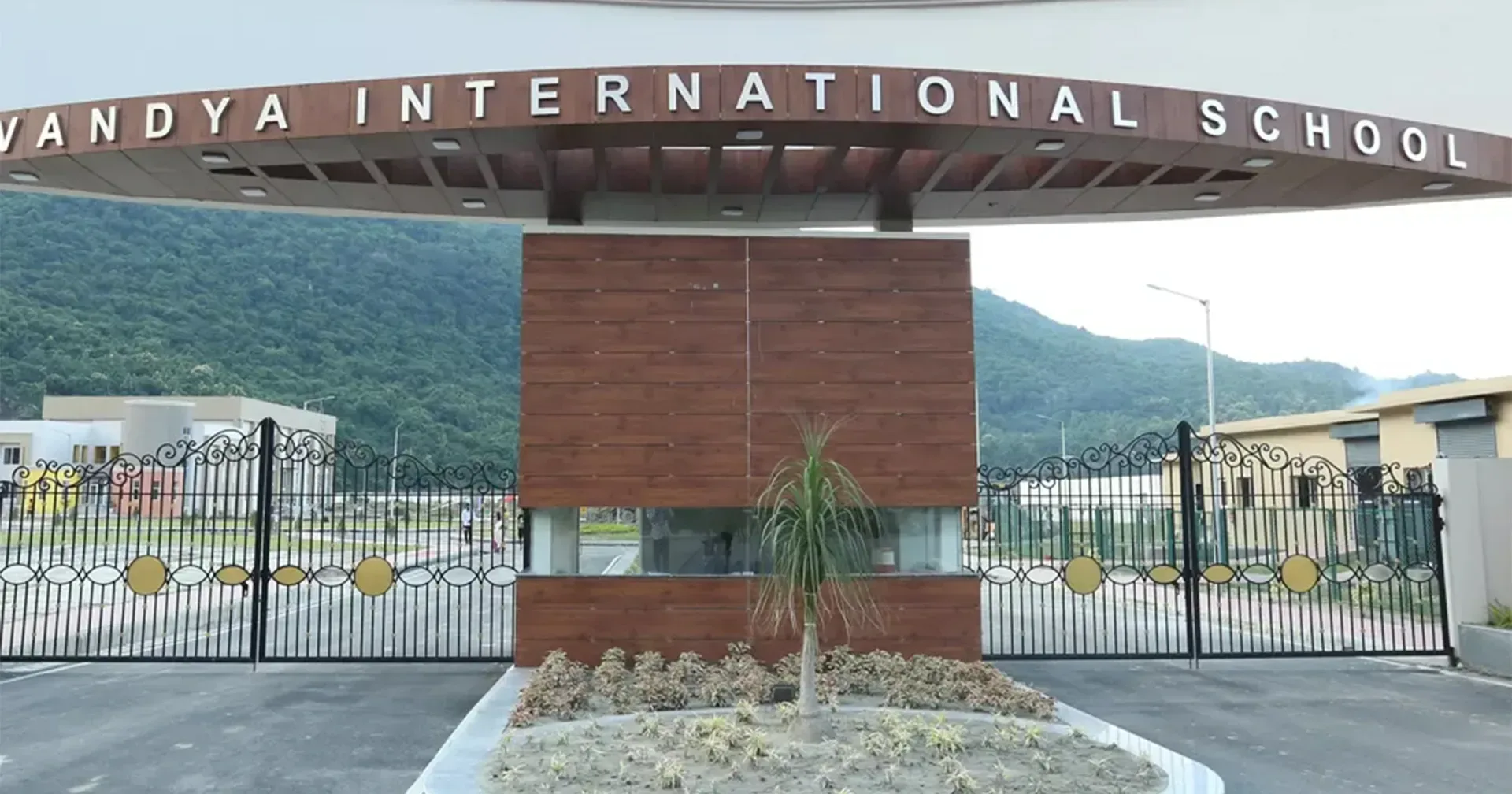
Benefits of Project Based Learning in the Best International Schools in India
-
15 MAY 2026
Pastoral Care at the Best Boarding School in Assam
Admissions are open for 2027-2028
Register your child, book a tour of the Amingaon campus, or ask the admissions office anything.